

Gold in 2025 – Is the Rally Over or Just Getting Started?
Golden times? A look at the chart and history of the most precious of all metals.

A symbol of value and stability for thousands of years, gold continues to captivate investors - both in times of crisis and in booming markets. But where do we stand today? Is the current rally already over - or is it just getting started?
Whether as the treasure of pharaohs or the backbone of entire monetary systems, gold has always stood for power, stability, and security. Even after the end of the gold standard in the 1970s, the precious metal remained a central store of value—especially during times of economic uncertainty. Gold is more than just a commodity; it’s a barometer for global crises and a proven “safe haven” in turbulent market phases.
Since the fall of 2023, the price of gold has risen significantly—and that comes as no surprise. The reasons are clear: escalating geopolitical tensions worldwide are unsettling markets. The brief but sharp correction in U.S. equities—triggered by the Trump administration’s trade policies—further fueled the upward momentum in gold.
Since the V-shaped - and in my view, alarmingly rapid - recovery of the stock markets, we've also seen periods of renewed decline. The news landscape remains mixed accordingly.
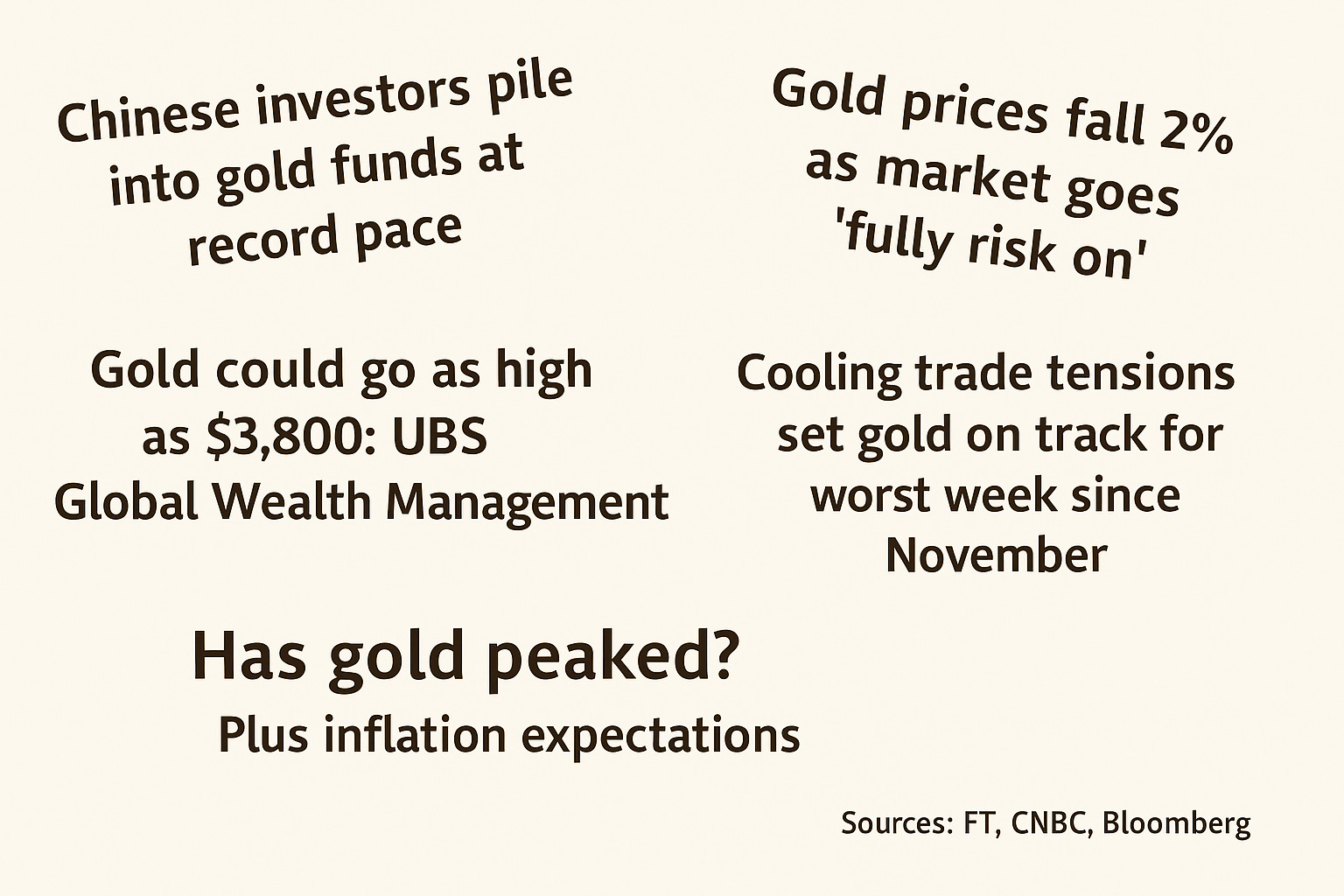
Central banks in particular are currently buying gold hand over fist. The Turkish central bank increased its reserves by around 45 tonnes in the first half of 2024 alone. Poland also showed strong interest in physical gold, purchasing 89.5 tonnes that year. In addition, countries like China and India continue to expand their gold reserves—clear signs that many nations are increasingly turning to the precious metal as a strategic safeguard.
That said, there are also voices suggesting the rally may soon come to an end. Historically, gold tends to underperform during risk-on phases in the markets. For me as an investor—with physical gold in my portfolio—this recent development was reason enough to take a closer look at the long-term chart of the metal.
Here is the observation period from 2000 to 2025, source: Yahoo Finance.
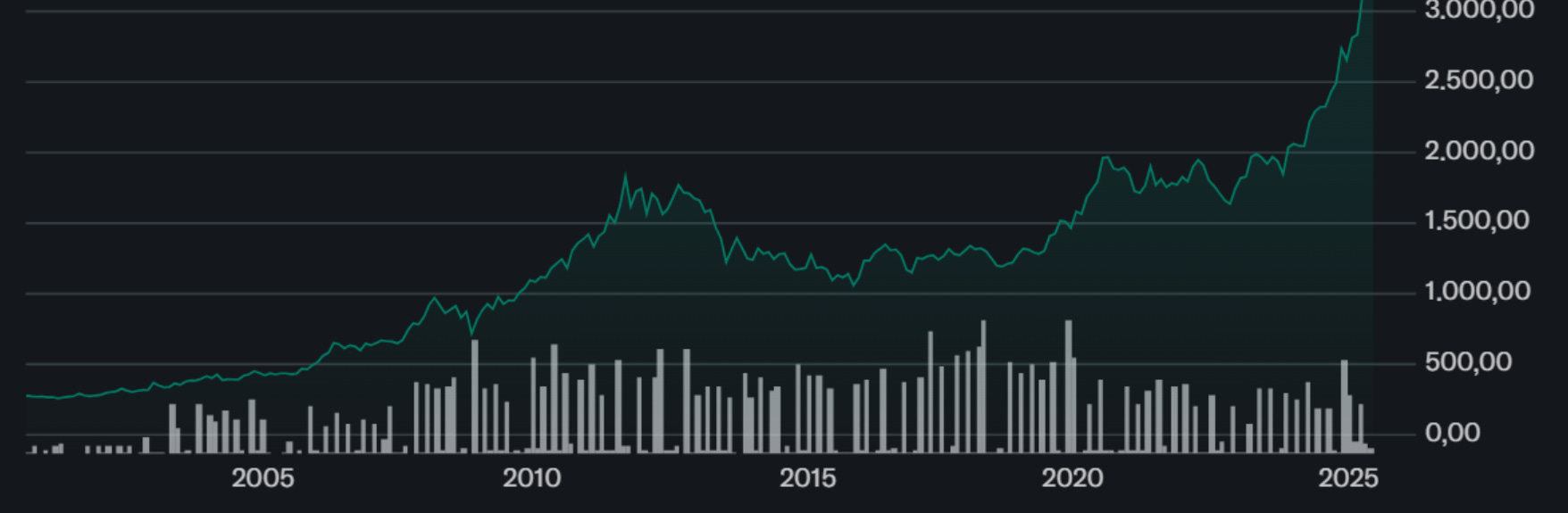
When I look at the historical performance over the past 25 years, I identify three distinct phases that the gold price has gone through. Phase 1 covers the strong upward trend from 2001 to 2011. Phase 2 describes the long sideways movement that followed, lasting until 2023. And Phase 3 marks the current rally that began in early 2023
Let’s take a closer look at each of these three stages.
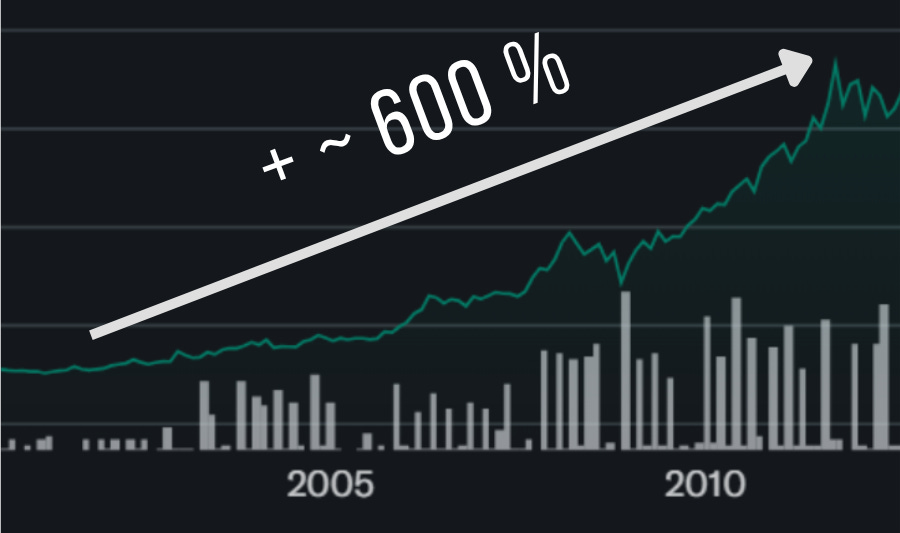
Phase 1: The Great Rise (2001–2011)
Between 2001 and 2011, gold experienced a remarkable upward trend. The price rose from around $270 to over $1,900 per ounce—an increase of more than 600%. This development was driven by a number of key factors: the aftermath of the dot-com bubble, the 9/11 attacks, growing geopolitical tensions, and ultimately the 2008 financial crisis.
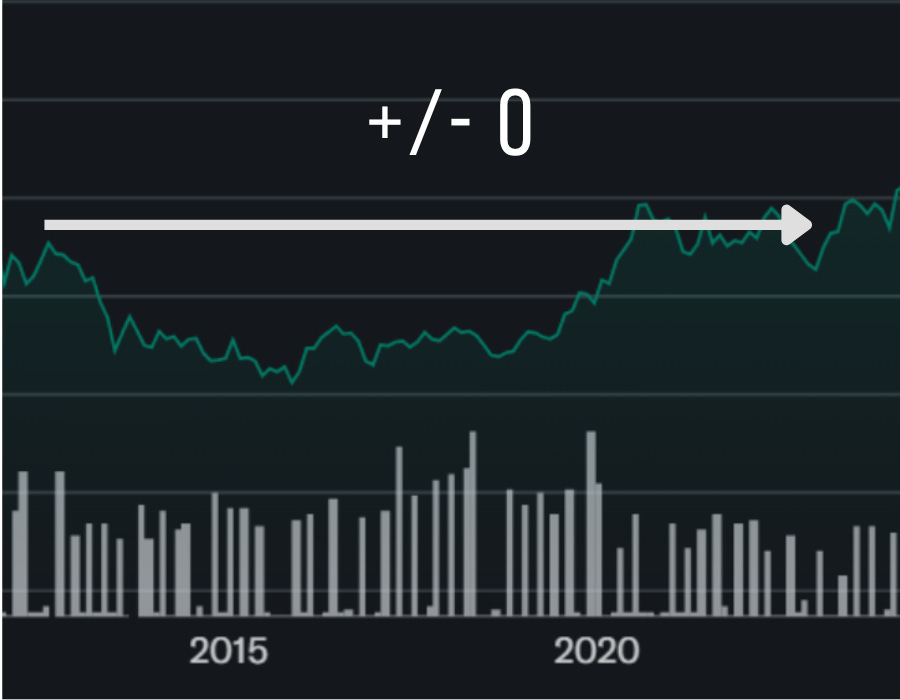
Phase 2: A Breather (2011–2023)
After the steep rise of the previous decade, gold entered a prolonged consolidation phase starting in 2011. For much of this period, the price moved sideways—with occasional swings both up and down. During this time, other asset classes began to attract more investor attention. While there were years of stronger movement, overall momentum remained absent. By 2023, gold was trading at roughly the same level as it had twelve years earlier.
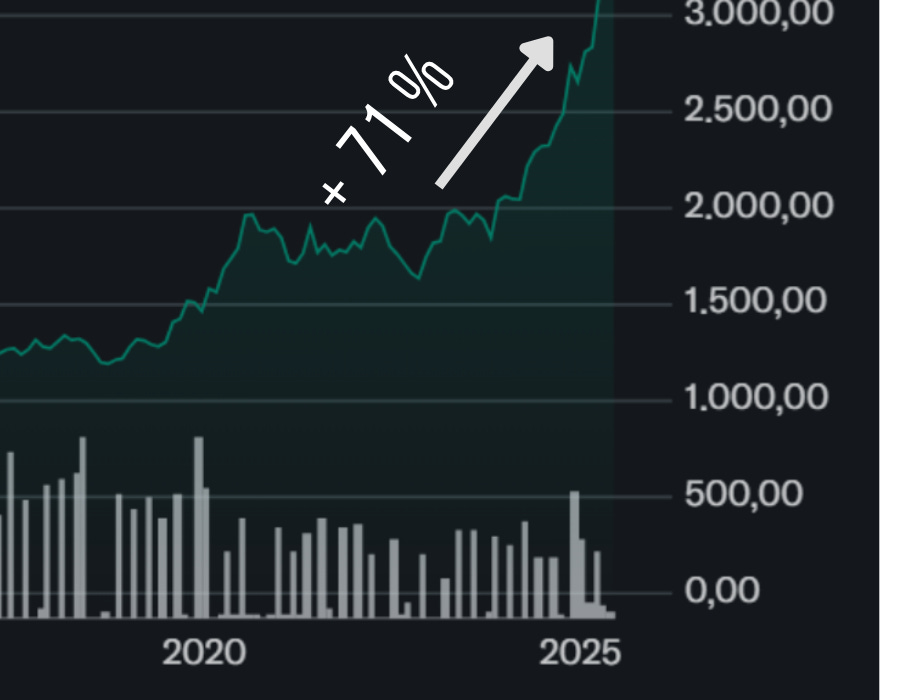
Phase 3: Renewed Momentum (2023–2025)
Most of you are likely familiar with the recent trajectory of the gold price. As mentioned earlier, the reasons behind it are fairly obvious. Since the fall of 2023, the precious metal has already gained around 70% in value.
Conclusion
When I compare the first phase of our observation period with the current situation, one thing stands out to me: the historic gold rally of around 600% back then was largely driven by geopolitical crises, loss of trust, and expansive monetary policy—factors we’re once again seeing today. With the current rise of about 70% since 2023, I personally believe there’s still plenty of upside potential. The fact that central banks around the world are buying gold in large quantities only reinforces this view. In any case, I feel comfortable with the share of gold in my portfolio.
How about you? Do you hold gold in your portfolio, maybe even added to your position recently—or are precious metals not really your thing?
Subscribe for free to stay updated and support independent financial writing.

Disclaimer:
This content is for informational and educational purposes only and does not constitute financial advice, investment recommendations, or an offer or solicitation to buy or sell any securities or financial instruments. All investments carry risks. You are solely responsible for your investment decisions. Please consult a licensed financial advisor if you require personal advice. At the time of publication, I hold a position in the security discussed in this article.